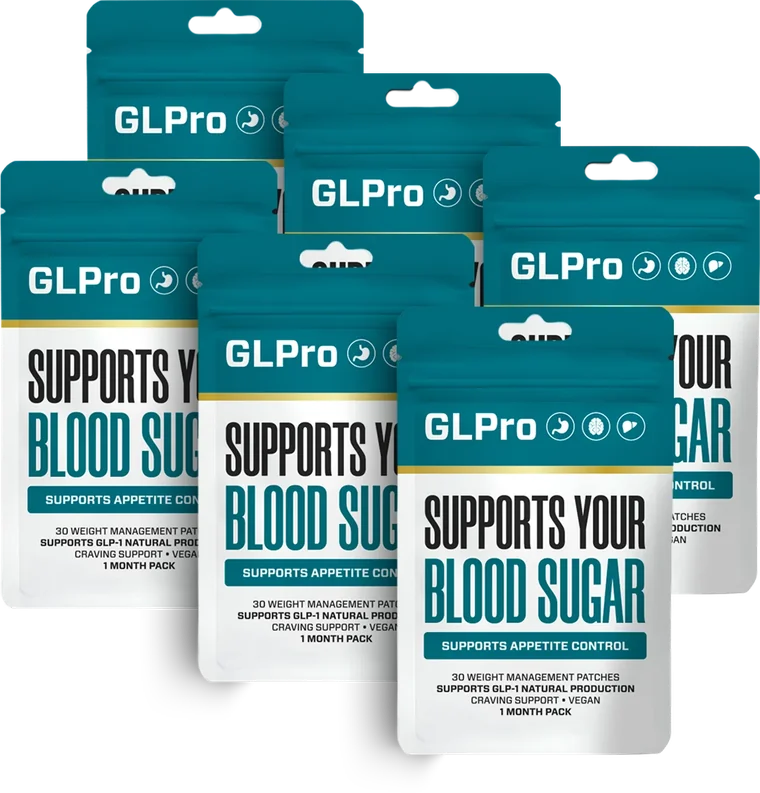
5 Red Flags In GLP-1-Branded Patch Marketing
Once you know what to look for, spotting overreaching marketing in this category gets a lot easier — and a lot of it comes down to language choices that sound bigger than they are.
Here are five specific patterns worth watching for before you trust any patch product's claims.
Red flag 1: 'GLP-1' in the name without a clear disclaimer nearby
If a product's branding leans on 'GLP-1' language but you have to dig to find a clear statement that it contains no actual GLP-1 medication, that's worth noticing. The disclosure should be easy to find, not buried.
Red flag 2: vague comparisons to Ozempic or Wegovy
Phrases that invite comparison without directly claiming equivalence — 'like the injections, but easier' — are doing a lot of implying without stating anything you could hold them to.
Red flag 3: 'FDA registered' presented like 'FDA approved'
These are genuinely different things, and marketing that lets the distinction blur (or omits it entirely) is leaning on a misunderstanding most shoppers have never had reason to learn about.
Red flag 4: testimonials implying dramatic, medication-level results
If reviews or testimonials read like they're describing injection-level weight loss from a supplement patch, be skeptical — that's not consistent with what a wellness patch can honestly deliver.
Red flag 5: no mention of the skin-barrier science at all
Legitimate transdermal drug delivery is real, established technology for certain molecules. A product that never engages with why GLP-1 peptides specifically can't cross skin — while implying they somehow do — is avoiding the one conversation that would undercut its pitch.
Where this leaves GLpatches
We've tried to avoid every pattern above on this site: clear disclosure up top, no Ozempic comparisons beyond stating the honest difference, FDA registration explained plainly, testimonials describing modest results, and a full explanation of the actual skin-barrier science. Judge for yourself whether we've succeeded.